A paver patio can look beautifully finished on installation day, then gradually lose its richness beneath Massachusetts rain, snow, salt, pollen, and daily use. Paver sealing is a practical way to protect that investment while preserving the color, texture, and tailored appearance that make a hardscape feel like a true extension of the home.
For homeowners and property managers across Greater Boston and the North Shore, sealing is not simply a cosmetic add-on. When it is timed correctly and performed on a clean, stable surface, it can help pavers resist stains, limit water absorption, simplify maintenance, and keep outdoor spaces looking cared for through every season.
What Paver Sealing Does for Your Hardscape
Pavers are designed to endure demanding conditions, but they are still exposed materials. Their small surface pores can collect moisture, cooking grease, leaf tannins, dirt, de-icing residue, and other contaminants. Over time, those elements can mute the original color and make patios, pool surrounds, driveways, and walkways more difficult to clean.
A quality sealer creates a protective barrier at or just below the surface, depending on the product selected. This helps reduce the rate at which water and stains penetrate the pavers. It also makes routine cleaning more manageable, which matters for high-use areas such as front walks, outdoor kitchens, entry patios, and commercial paths.
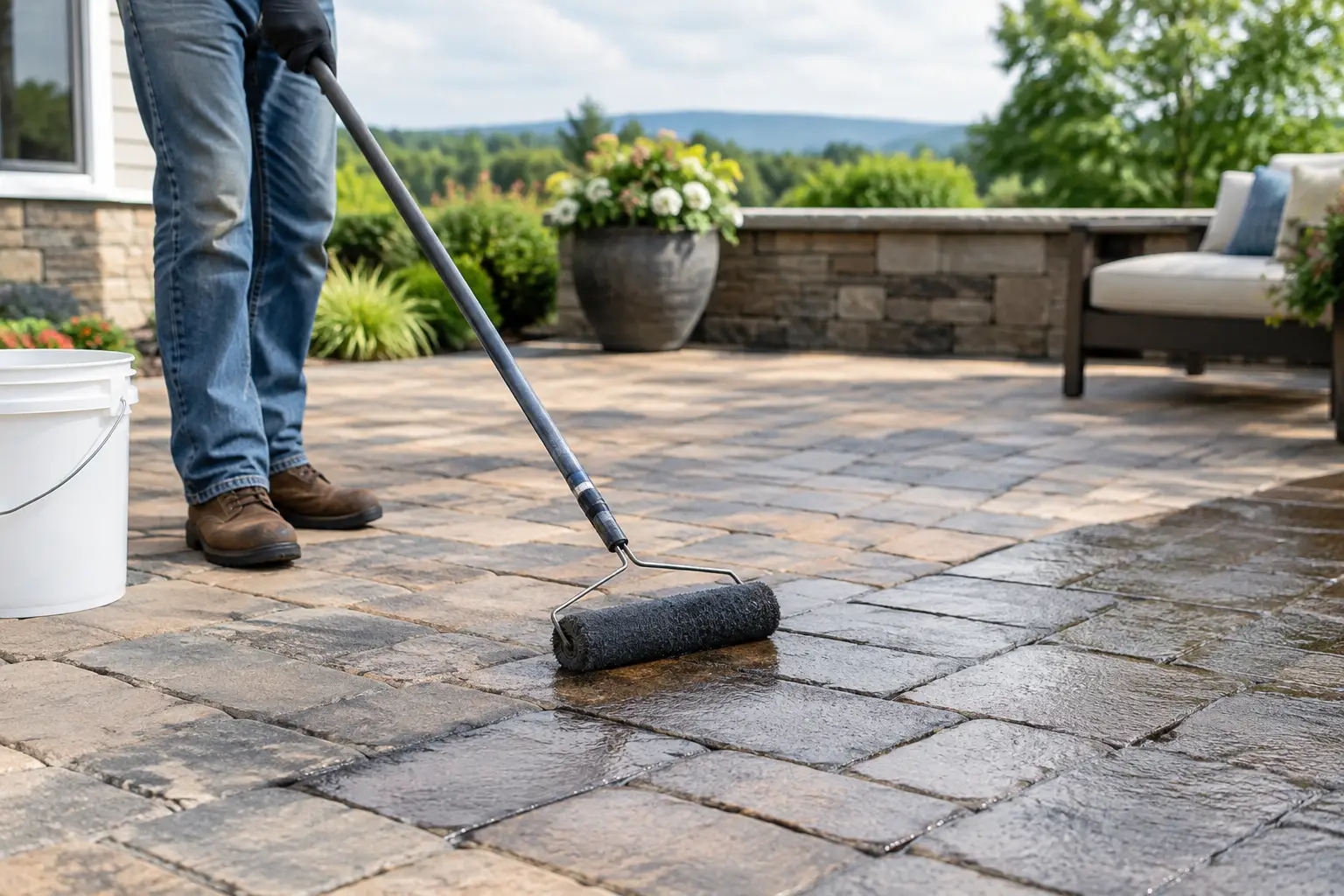
The visual result depends on the finish. Some sealers maintain a natural, low-sheen appearance, while others deepen the paver color for a richer wet-look effect. The right choice should complement the architecture of the property and the character of the existing hardscape. A refined colonial entryway may call for a subtle natural finish, while a contemporary backyard entertaining area may benefit from more pronounced color enhancement.
Sealing can also stabilize joint sand when the correct polymeric sand and installation process are used. Stronger joints help discourage weed growth, insect activity, and sand loss from rain or surface washing. That said, sealer is not a repair for pavers that have shifted, settled, or developed drainage issues. Those conditions should be corrected before any protective finish is applied.
Why New England Pavers Need Extra Care
The Boston area presents a challenging cycle for hardscapes. Rain can saturate joints and base materials in spring. Summer heat bakes in stains and encourages organic growth in shaded areas. Autumn leaves leave behind tannins, while winter brings freeze-thaw cycles, snowplows, shovels, ice melt, and tracked-in road salt.
Water is the central concern. When moisture enters a paver or joint, then freezes and expands, it can contribute to surface wear and joint deterioration over repeated seasons. Sealing does not make a patio invulnerable to winter, nor does it replace proper base preparation and drainage. It does, however, provide an added layer of defense against moisture absorption and seasonal staining.
This is especially valuable on properties with mature trees, nearby irrigation, pool areas, or shaded exposures where moss and algae can develop. A protected, regularly maintained surface is easier to keep clean and safer underfoot. For commercial properties, that cleaner appearance also supports a more professional first impression at entrances, walkways, and common areas.
When Is the Right Time for Paver Sealing?
Newly installed pavers generally need time to settle and release any manufacturing or installation-related moisture before sealing. The ideal waiting period depends on the paver type, weather, site conditions, and the products being used. A professional assessment prevents sealing too early, which can trap moisture or create an uneven finish.
For established patios and walkways, the best time is after the surface has been thoroughly cleaned, repaired as needed, and allowed to dry completely. In Massachusetts, late spring through early fall often provides the most dependable conditions. Temperatures need to fall within the product’s application range, and the forecast must allow enough dry time before rain, irrigation, heavy dew, or foot traffic.
Do not schedule sealing simply because a patio looks dull. First determine why it looks worn. The issue may be surface dirt, efflorescence, failing joint sand, poor drainage, or movement in the base. Addressing the cause produces a more durable and polished result than applying sealer over an unresolved problem.
The Preparation Determines the Finish
The most successful paver sealing projects begin long before sealer reaches the surface. Preparation is where craftsmanship and attention to detail make the greatest difference.
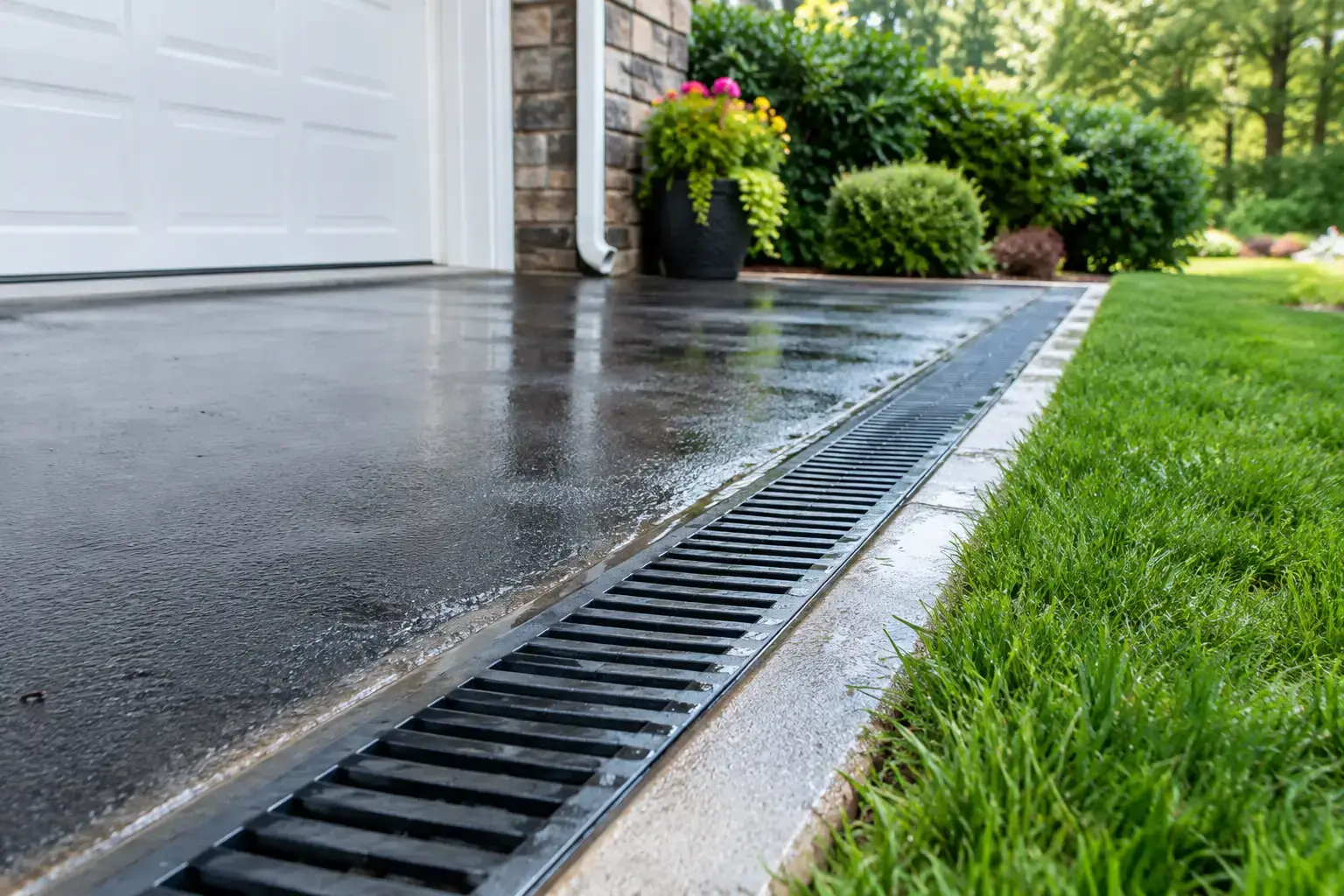
A professional crew begins by evaluating the pavers, joints, edging, slope, and surrounding landscape. Pavers that have sunk, rocked, cracked, or separated may need to be reset. If water regularly pools near a foundation, steps, or patio edge, drainage should be reviewed before moving forward. A beautiful finish is only as lasting as the hardscape beneath it.
Next comes careful cleaning. The surface may require sweeping, treatment for organic growth, stain removal, and controlled washing to lift embedded dirt without damaging the pavers or blasting out excessive joint material. Efflorescence, the white mineral haze that can appear on masonry surfaces, must be addressed with the appropriate method rather than covered over.
Once the pavers are clean and dry, joints are refilled where necessary. This stage supports both appearance and performance. Properly filled joints create a crisp, finished look and help keep individual pavers locked together. Only then should the chosen sealer be applied in an even, measured manner.
Too much product can leave a hazy, blotchy, or overly glossy surface. Too little may provide inconsistent protection. A deliberate application, with attention to edges, drainage paths, and drying conditions, is what separates a lasting finish from a short-lived surface treatment.
Choosing the Right Look and Level of Protection
There is no single best sealer for every property. The right product depends on the paver material, age, finish, location, exposure, and the appearance you want to achieve.
A natural-look penetrating sealer is often a strong fit for homeowners who want protection without visibly changing the paver color. This approach can suit traditional stone-inspired patios, understated front walks, and hardscapes where the original material character should remain the focal point.
Color-enhancing sealers deepen tones and can bring renewed definition to pavers that look faded after years of weather exposure. They are popular for entertainment patios and pool areas, where a more polished visual effect may better complement landscape lighting, plantings, and outdoor furnishings.
Glossy finishes can create a dramatic result, but they require careful consideration. On some surfaces, especially where water, snow, or ice are common, excessive shine may affect traction or reveal unevenness. A professional recommendation should account for both visual goals and how the area is used throughout the year.
How Long Does Paver Sealing Last?
Longevity varies. Exposure to full sun, heavy foot traffic, vehicle use, salt, frequent washing, standing water, and the type of sealer all affect how long the protection remains effective. A lightly used backyard patio may hold its finish longer than a busy driveway or a front entry exposed to road grime and winter conditions.
Most sealed pavers eventually need maintenance and reapplication. Rather than waiting until the surface looks severely worn, inspect it seasonally. Watch for fading, increased water absorption, sand loss between pavers, recurring stains, or areas that clean differently from the rest of the hardscape.
Routine care extends the life of the finish. Sweep away leaves and debris, address spills promptly, avoid harsh cleaners unless they are suited to the paver and sealer, and use de-icing products thoughtfully in winter. Metal shovels and aggressive snow-clearing equipment should also be used with care around edges and raised paver surfaces.
A Coordinated Approach Protects the Whole Property
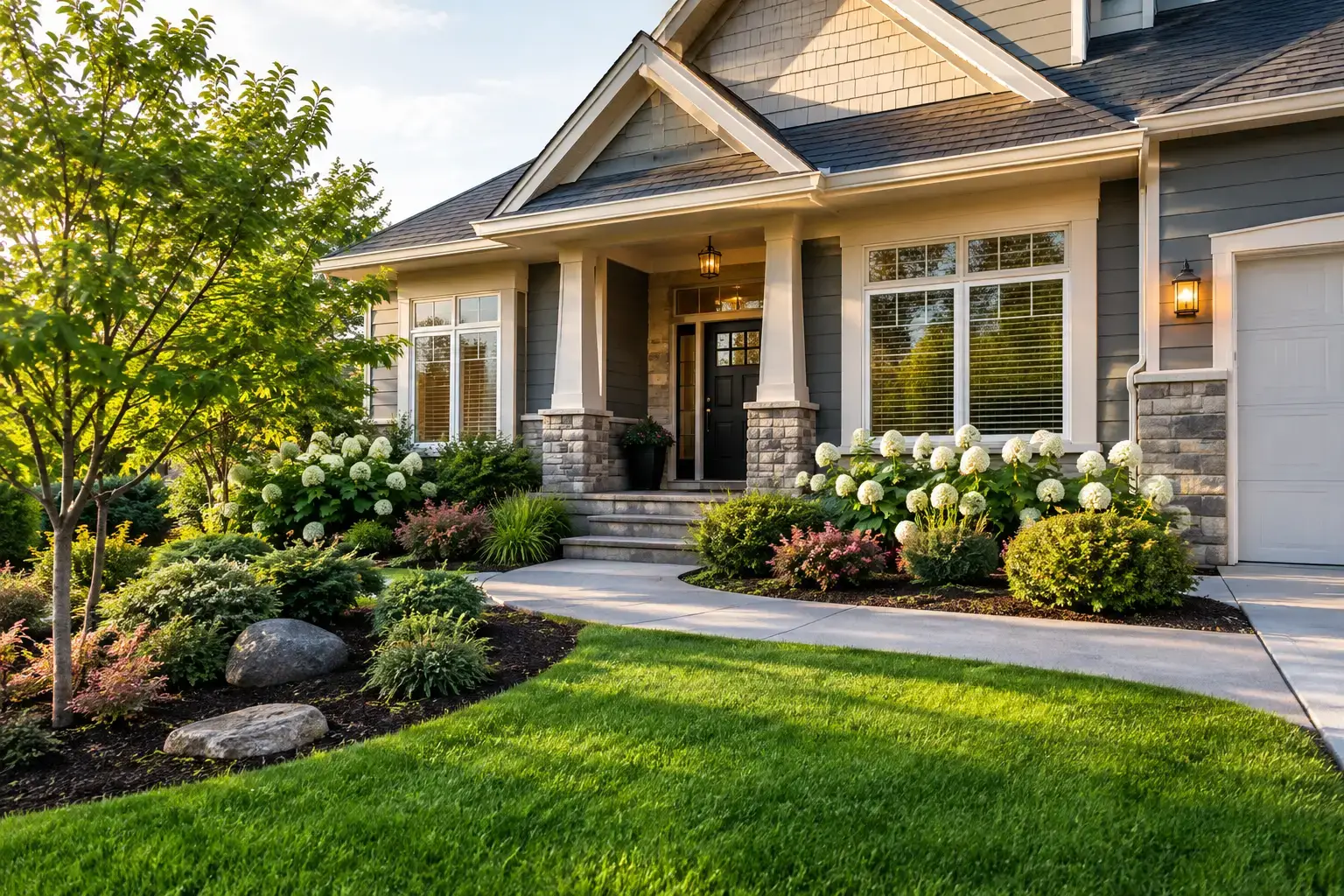
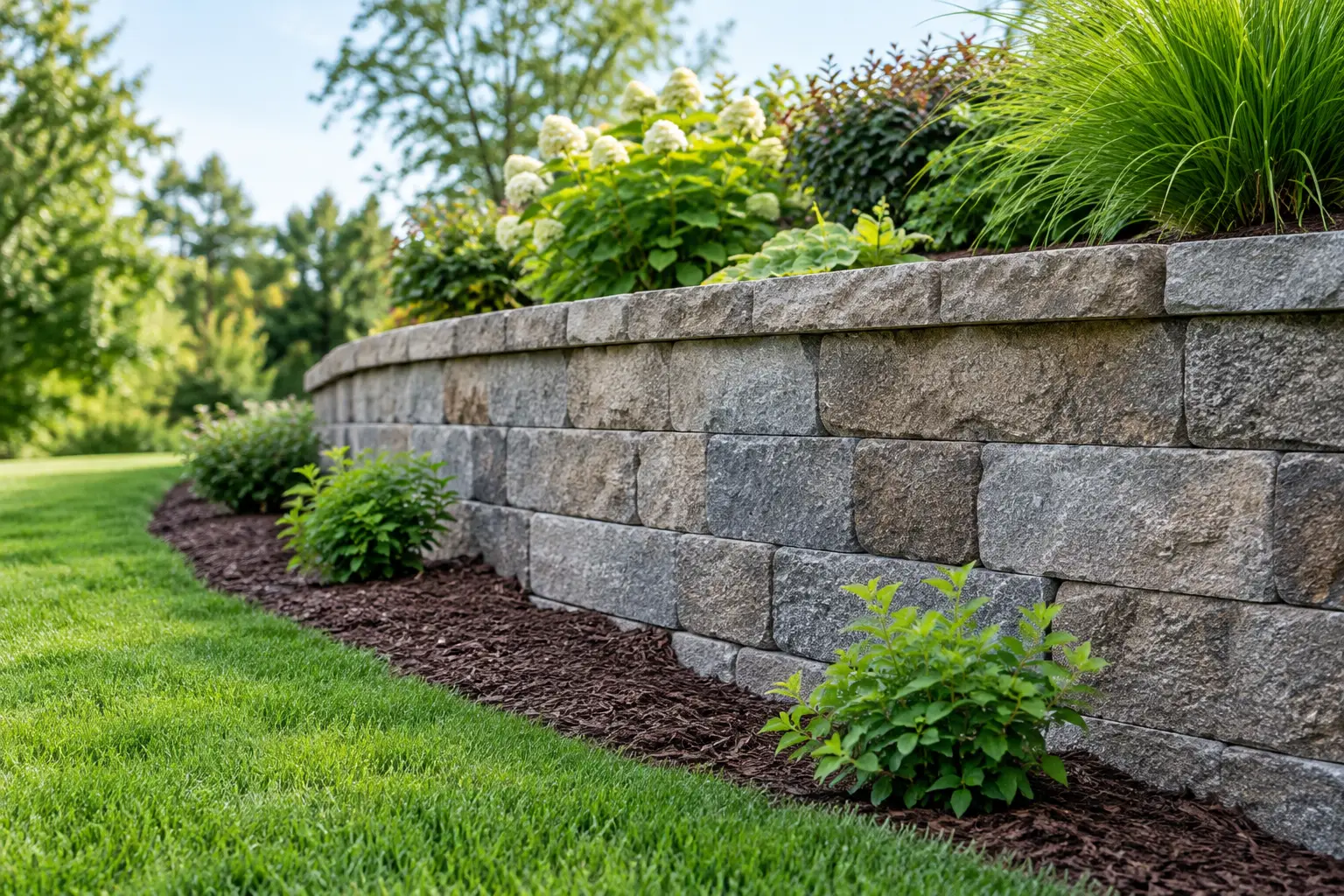
Paver sealing works best as part of a broader property-care plan. Healthy drainage, well-maintained planting beds, controlled irrigation, seasonal cleanup, and careful snow management all reduce the wear placed on patios and walkways. When construction and maintenance are coordinated, small concerns can be identified before they become expensive repairs.
M&M Landscaping approaches hardscape care with the same attention given to landscape design and construction: assess the property, understand how the space is used, and apply solutions that enhance both beauty and long-term performance. Whether the project involves a backyard sanctuary, a welcoming front approach, or a high-traffic commercial walkway, the goal is a finish that looks considered rather than simply coated.
A well-sealed paver surface should never feel like a temporary polish. With sound preparation, thoughtful material selection, and ongoing care, it becomes part of an outdoor property that remains inviting, functional, and ready for every New England season.